
If you’ve ever spent hours sitting beside the water watching a motionless fishing line, wondering why the fish aren’t biting, you know how frustrating a slow fishing day can be. Sometimes, changing your bait, adjusting your retrieve, or trying a different lure can make a difference. But one small accessory that many anglers overlook is a tiny glass rattle.
These miniature capsules may look like simple trinkets, but they can add an extra sound and vibration cue to artificial fishing lures. For anglers trying to attract curious fish, that subtle clicking sound may be worth experimenting with.
What Are Glass Fishing Rattles?
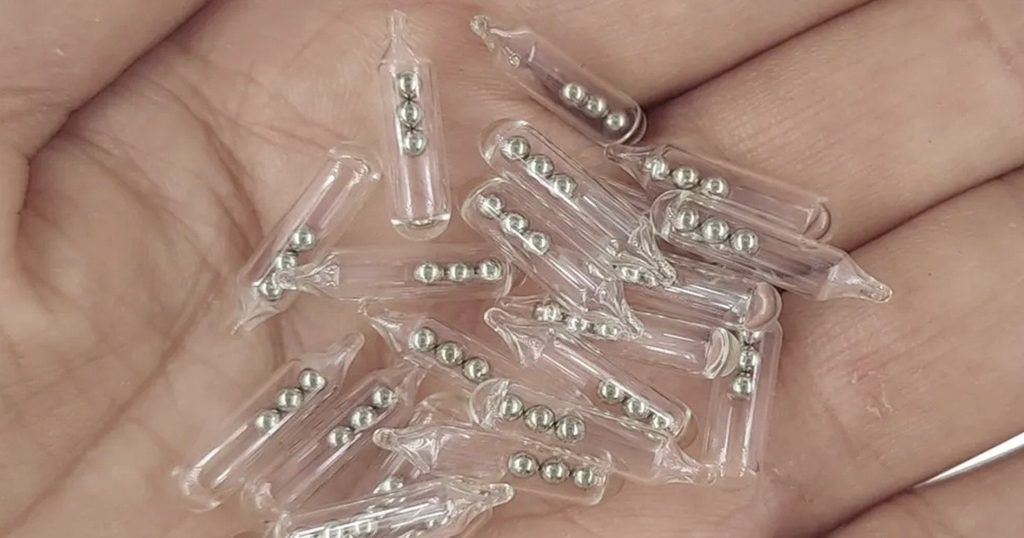
Glass fishing rattles are small, transparent capsules that typically contain tiny metal balls. When the capsule moves, the balls strike the inside walls, creating a clicking or rattling sound.
Many are roughly rice-sized, although their dimensions vary depending on the manufacturer and intended use. They are designed to be inserted into soft plastic fishing baits or incorporated into certain artificial lures.
Their purpose is to add a sound-producing element to a lure that would otherwise rely primarily on movement, appearance, and water displacement.
Why the Sound May Attract Fish
Fish don’t rely solely on their eyesight to locate prey. Many species can detect water movement and vibrations through specialized sensory systems, including the lateral line.
This system helps fish recognize disturbances in their surroundings, including movement caused by nearby prey, other fish, and obstacles.
A small rattle inside a fishing lure creates vibrations and sound as the bait moves through the water. Depending on the conditions and the fish being targeted, those additional cues may help fish notice the lure.
This can be particularly interesting for anglers fishing in stained water, low-light conditions, or areas where a lure regularly contacts rocks, vegetation, or other structures.
However, rattles are not guaranteed to improve every fishing setup. Their effectiveness depends on the species, conditions, lure presentation, and other factors.
How to Add a Rattle to Soft Plastic Baits
One of the most common uses for these small capsules is inside soft plastic lures.
Worms, tube baits, craws, and creature-style plastics can often accommodate a small rattle because their flexible bodies provide space for an insert.
Adding a Rattle to a Soft Plastic Worm
Some anglers use a bait insertion tool, needle, or carefully selected narrow implement to create a small channel inside the plastic bait.
The rattle is then inserted into the opening, often toward the tail, where the movement of the bait may create additional clicking sounds.
Placement can influence the sound and movement of the lure. A rattle near the tail may move differently from one positioned closer to the center.
Care is needed when creating an opening, as sharp tools can slip, puncture skin, or damage the bait.
Installing Rattles in Tube Baits and Craws
Hollow tube baits and certain craw-shaped plastics can be easier to modify.
In some designs, the rattle can be gently pushed into an existing hollow section without needing to create a separate channel.
The goal is to position the capsule securely while allowing it to produce sound as the bait moves.
Not every soft plastic is suitable for this modification, so the bait’s construction should be considered before inserting anything.
Can Glass Rattles Be Added to Hard Lures?
Some anglers also experiment with adding rattles to hard-bodied artificial lures.
Certain hard lures have hollow internal spaces that can accommodate noise-producing components. However, modifying a lure by opening it and inserting a rattle may require adhesive, careful handling, and an understanding of how the modification could affect its balance and movement.
A poorly positioned or unsecured insert could change the lure’s action or compromise its structure.
For this reason, using lures designed to accommodate rattles may be a simpler alternative to modifying inexpensive hard baits.
When Should You Use Fishing Rattles?
Rattles may be worth trying when fishing conditions make it harder for fish to locate a lure visually.
Some anglers experiment with them in:
- Murky or stained water: Additional vibration may provide another cue when visibility is limited.
- Low-light conditions: Sound and water movement may complement a lure’s visual presentation.
- Around rocks and structures: Contact with underwater surfaces may cause rattles to produce additional clicks.
- Vegetation and cover: A noisy lure may help distinguish itself from the surrounding environment, depending on the situation.
On the other hand, very clear, calm water may sometimes call for a more subtle approach. Some anglers prefer quieter lures in those conditions, particularly when fish appear cautious.
There is no universal rule. Fishing conditions, species, and local behavior can all influence whether a rattle is useful.
Experiment With Rattle Size and Placement
The sound produced by a lure can change depending on the number of rattles, their size, and where they are positioned.
Some anglers use a single small rattle, while others experiment with two inserts to create a different sound. Placement can also affect how frequently the capsule moves and how the bait responds during retrieval.
If you’re testing rattles, comparing similar lures under similar conditions can help you evaluate whether the modification makes a difference.
Keep other factors as consistent as possible, including the retrieve speed, fishing location, and bait size.
Remember that sound is only one part of a lure’s presentation. Movement, scent, shape, color, and water conditions may all influence whether fish respond.
A Small Fishing Accessory Worth Keeping in Your Tackle Box
Glass fishing rattles aren’t new or particularly complicated, but they offer anglers another way to experiment with artificial bait presentations.
These small capsules can add a subtle clicking sound and vibration to soft plastic lures, potentially helping them stand out in certain conditions.
They won’t turn every slow fishing session into a successful one, and their effectiveness isn’t guaranteed. Still, for anglers who enjoy trying different techniques, a few small rattles may be worth keeping in the tackle box.
Sometimes, changing one small detail is all it takes to make a fishing day a little more interesting.