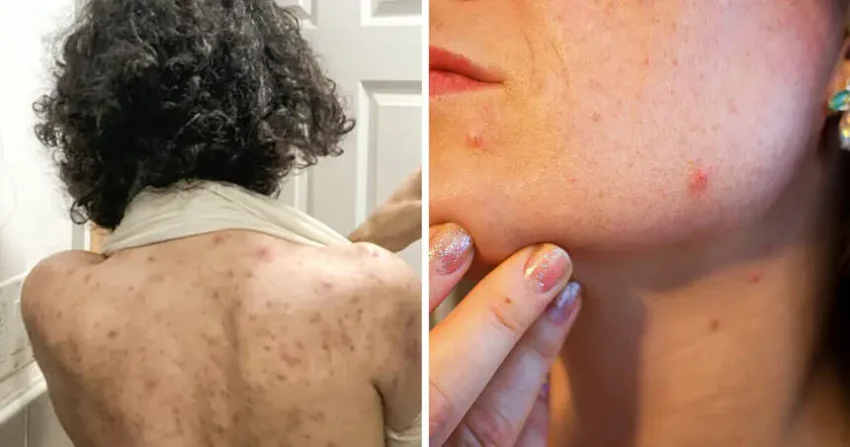
Acne acts like a detective, offering subtle clues about our body and lifestyle. Identifying specific triggers on different areas of your skin helps you take immediate steps to mitigate them.
In many instances, breakouts aren’t complex medical puzzles—they often boil down to basic daily habits and environmental factors that can be adjusted without hassle.
1. Cheeks
Acne on the cheeks is a widespread issue, becoming even more prevalent in the age of ubiquitous cell phones. Holding a phone against your face can easily transfer bacteria, oil, and grime directly onto your skin. dirty pillowcases and bedding also play a major role in transferring bacteria overnight.
While hormonal factors can contribute to cheek breakouts, lifestyle habits are often the primary driver. Sanitizing your phone regularly and swapping out pillowcases weekly are simple, effective fixes.
Key Takeaway: Cheek breakouts are heavily tied to external contact—sanitize phone screens daily and wash pillowcases weekly to prevent bacterial transfer.

2. Forehead
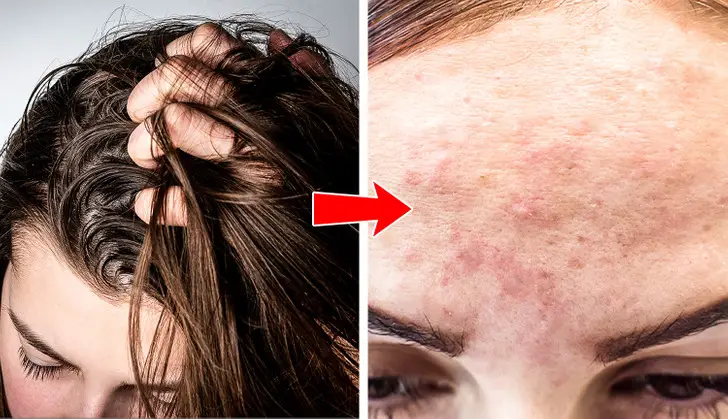
Forehead acne is frequently caused by excess oil production, but your hair care routine might be the hidden culprit. Natural oils from hair, combined with heavy hair products like pomades, waxes, or oils (especially those containing cocoa butter or coconut oil), can migrate to the forehead and clog pores.
Using a gentle cleanser designed for your skin type helps, but switching to non-comedogenic hair products or keeping hair pulled back off the forehead can resolve the root cause.
Key Takeaway: Heavy or oily hair products frequently run down onto the forehead—switch to lighter, non-comedogenic formulas if forehead pores clog easily.
3. Back
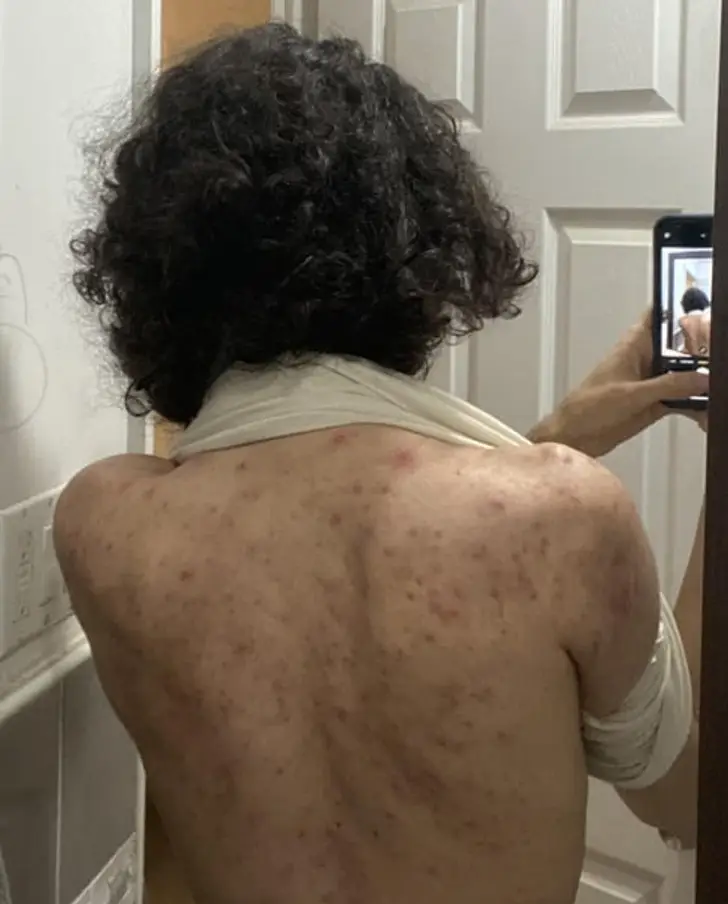
Back acne (sometimes called “bacne”) can be triggered by sensitivities or allergic reactions to heavy body lotions, sunscreens, or shower gels. Additionally, sweat trapping bacteria and oil under tight gym clothing or dirty shirts creates an ideal environment for clogged pores.
Taking prompt showers after exercise, wearing breathable fabrics, and regularly washing bedding and activewear are essential preventive measures. High stress levels and dietary factors can also play a role.
Key Takeaway: Trapped sweat and friction from tight athletic clothing are major back acne triggers—shower immediately after workouts and choose breathable fabrics.
4. Nose
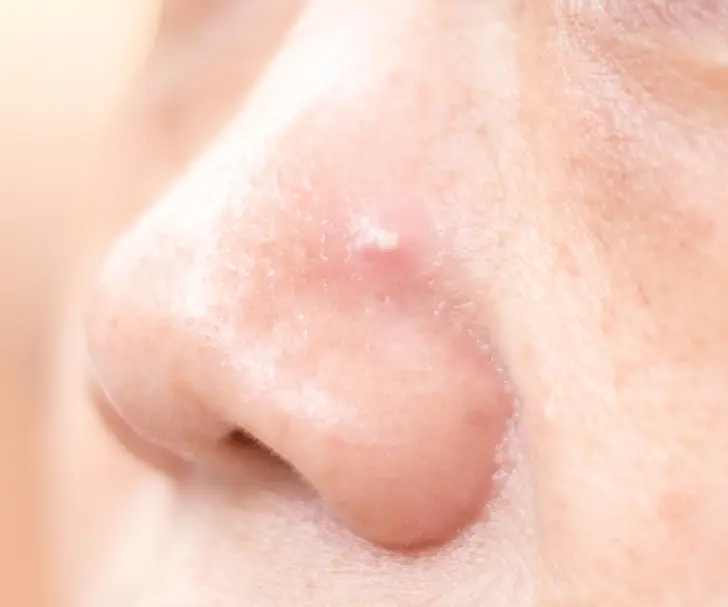
The nose belongs to the T-zone, where pores are naturally larger and sebaceous glands produce more oil, making it particularly susceptible to congestion and blackheads.
Targeted ingredients like Tea Tree Oil or cleansers containing sodium sulfacetamide and sulfur help control excess sebum and reduce bacterial counts on the skin surface.
Key Takeaway: The nose has higher oil production and larger pores; gentle antibacterial treatments like tea tree oil or sulfur cleansers keep pores clear.
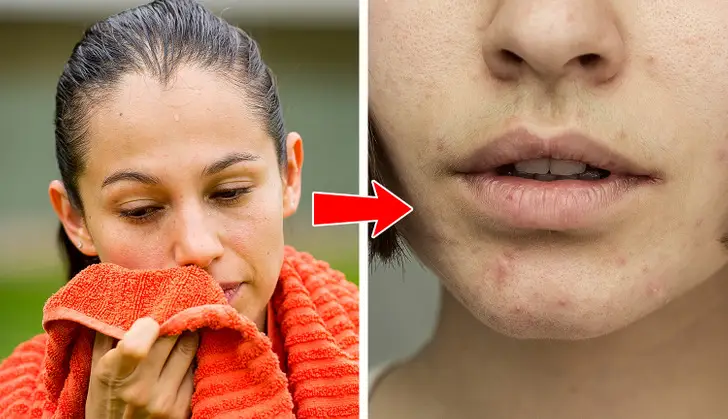
5. Around the Mouth
Breakouts around the lips and mouth often stem from direct physical contact—such as chin straps, helmet gear, musical instruments, or frequent touching with hands—as well as lip balms or heavy cosmetics.
Maintaining a simple routine with a mild cleanser, avoiding touching your face, and opting strictly for non-comedogenic, oil-free makeup products effectively prevents mouth-area breakouts.
Key Takeaway: Perioral breakouts usually come from physical friction or heavy lip products—stick to oil-free, non-comedogenic formulas and keep hands away from the face.
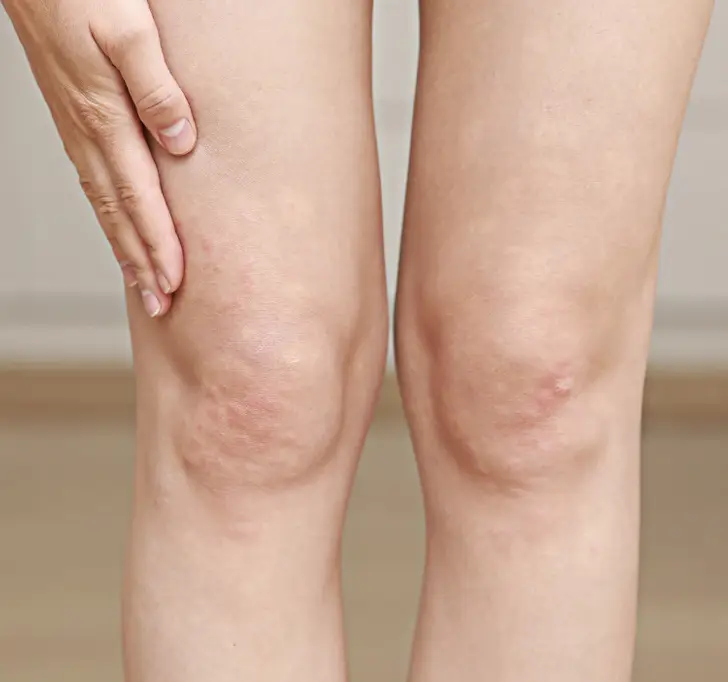
6. Legs
Leg acne happens when bacteria, sebum, and dead skin cells get trapped in hair follicles. Physical factors, like tight leggings, denim, or sports gear rubbing against the skin, are primary drivers.
However, bumpiness on the legs can sometimes be confused with other dermatological conditions like folliculitis, eczema, or keratosis pilaris. If itching or pain is present, seeking a professional diagnosis from a dermatologist is recommended.
Key Takeaway: Bumps on the legs are often folliculitis caused by friction from tight clothing—loose-fitting pants and gentle exfoliation help prevent hair follicle blockage.
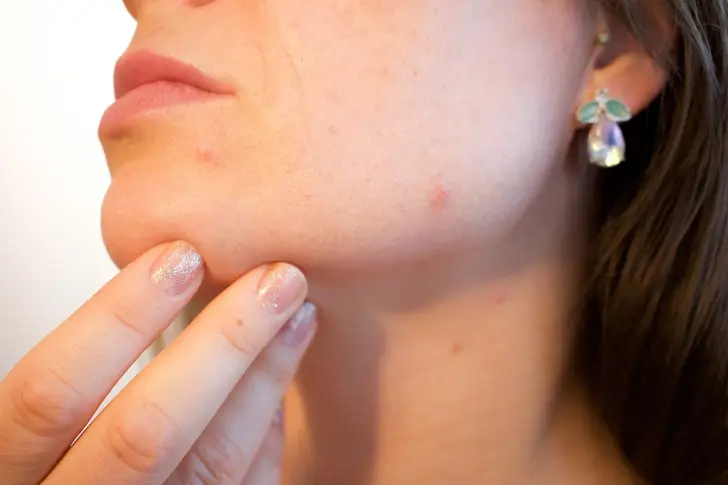
7. Jaw and Neck
Breakouts concentrated along the jawline and neck are classical indicators of hormonal fluctuations. Fluctuations in androgen levels stimulate sebaceous glands, leading to adult acne during menstrual cycles, stress, or medication changes.
Using gentle, non-comedogenic cleansers, lightweight moisturizers, targeted treatments, and daily broad-spectrum sunscreen provides an effective frontline management plan.
Key Takeaway: Jawline and neck breakouts are primary indicators of hormonal shifts; targeting them requires consistent non-comedogenic care and balanced routines.
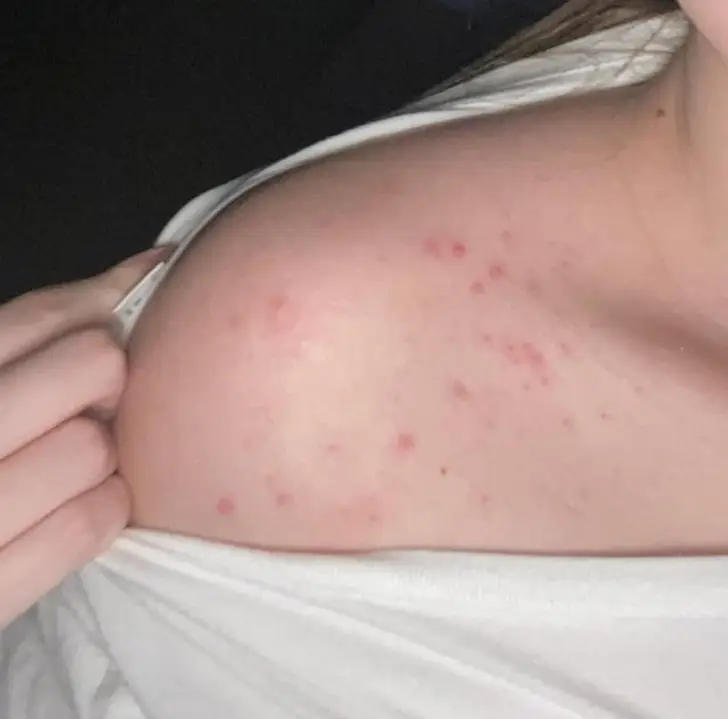
8. Shoulders
Shoulder acne is usually driven by excess sebum, accumulated dead skin, and friction from backpack straps, purse bags, or tight shoulder clothing.
Staying well-hydrated, applying lightweight sun-protected moisturizers, and wearing loose, breathable garments significantly reduce shoulder acne flare-ups.
Key Takeaway: Pressure and friction from heavy bags or tight straps encourage shoulder breakouts—opt for breathable fabrics and clean skin after carrying gear.
Our bodies serve as vigilant messengers sending us subtle signals. Paying attention to these cues helps us take better care of our health!
Source: Bright Side